













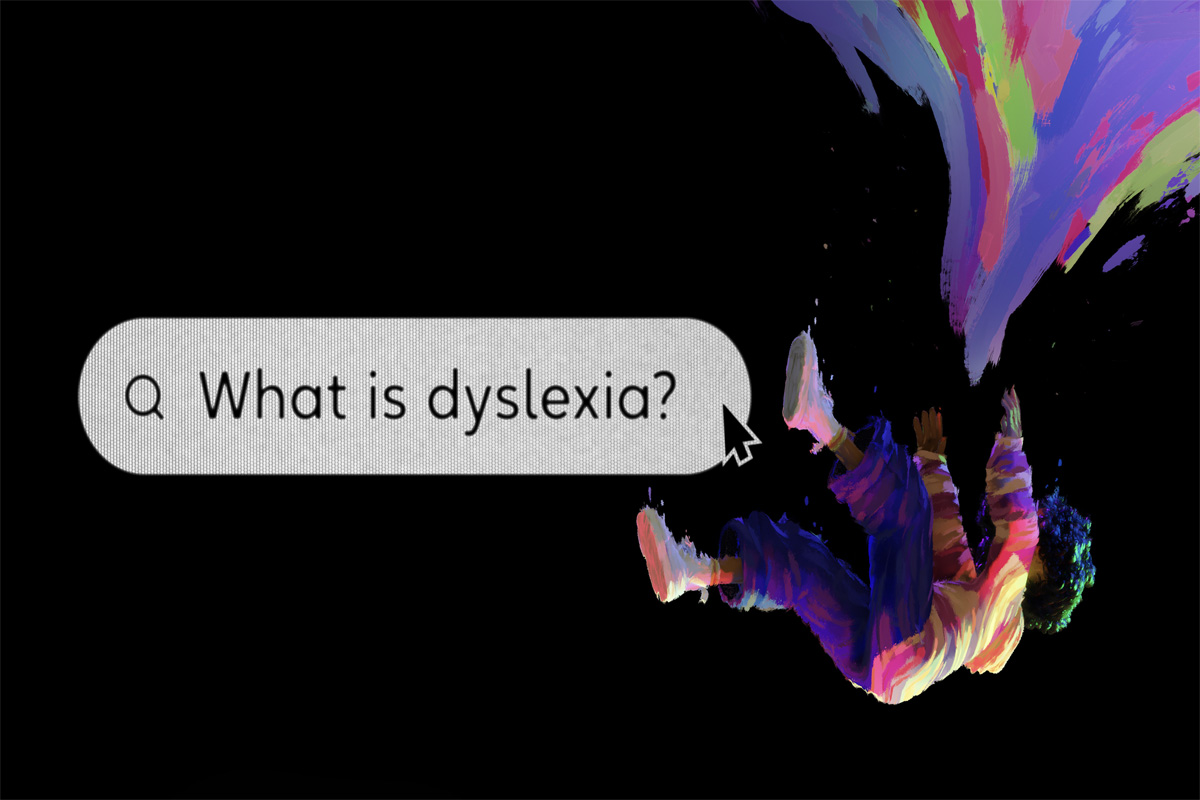
A global Dyslexia Awareness Month campaign featuring Jeremy Irons and Liv Tyler aims to reach 100 million screens, as new research raises fresh questions about whether schools and workplaces are doing enough to recognise dyslexic strengths.
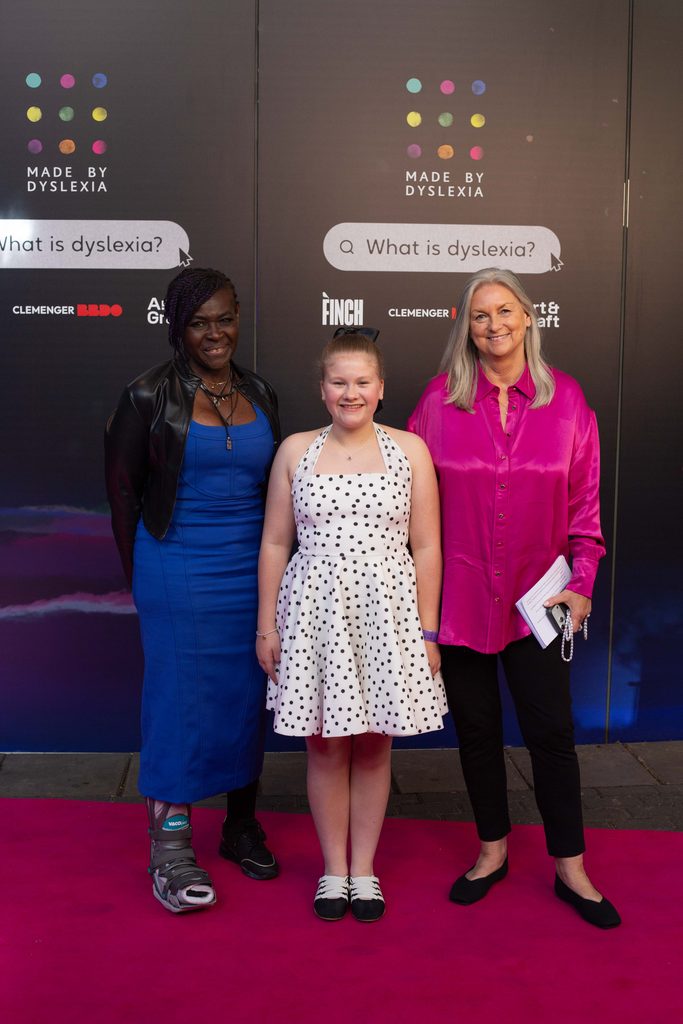
Global charity Made By Dyslexia has launched an ambitious campaign to take its short animation What is dyslexia? across all 50 US states and seven continents, with screenings planned in classrooms, cinemas, libraries, universities, workplaces and homes. The film, featuring the voices of Academy Award-winning actor Jeremy Irons, Liv Tyler, Jaalen Best and 13-year-old actress Hope Day, premiered in New York on 1 October before beginning its global rollout for Dyslexia Awareness Month.
Locations range from London’s Piccadilly Lights to Mount Kilimanjaro and Antarctica, while Virgin Atlantic is also showing the film through its inflight entertainment service. But behind the high-profile campaign is a significant inclusion challenge. New Made By Dyslexia research found that 87% believe dyslexia comes with strengths, yet 74% say their school has little or no understanding of those strengths.
REFRAMING DYSLEXIA AROUND STRENGTHS
The findings raise a wider question that extends well beyond education: if dyslexic strengths are being overlooked during childhood, are workplaces doing enough to recognise and develop them later in life?
The animation follows Lola, a young girl who discovers some of the different ways dyslexic people have thought and contributed throughout history. It acknowledges challenges associated with reading, spelling and writing while highlighting strengths including problem-solving, imagination and storytelling.
“Every dyslexic child deserves to know there is nothing wrong with the way their brain works. What Is Dyslexia? puts that message into a simple, powerful animation that we’re taking around the world, so millions of children can see it for what it really is: a different way of thinking with incredible strengths,” stated Made By Dyslexia ambassador Erin Brockovich.
DYSLEXIC THINKING
“Dyslexic Thinking is recognised as a skill on LinkedIn. It’s a brilliant and different way of thinking and children deserve to know this. That’s why we’re taking this film to 100 million screens,” shared Made By Dyslexia Founder and Executive Producer Kate Griggs.
That recognition of different thinking styles is increasingly relevant to working life too. The British Dyslexia Association estimates that around 10-15% of the population has dyslexia and/or other specific learning differences, making neurodiversity highly likely to be represented in most workplaces.
CHANGING THE STORY OF DYSLEXIA
“This is a movement to change the story of dyslexia, and reaching 100 million screens with this beautiful animation gives us an extraordinary opportunity to make that change heard around the world. I’m very proud to be part of it,” said Jeremy Irons.
Actor Liv Tyler reflected on the role dyslexia has played in her own career. “The creative side of my Dyslexic Thinking has shaped so much of my career. Growing up in a family where there was lots of imagination and creativity, I learned to see things differently,” shared Tyler. “Dyslexia has helped me think visually and connect with stories in a deeper way.”
Their comments reinforce one of the campaign’s central messages: dyslexia can involve both challenges and distinctive strengths, and those strengths can be valuable across education, creativity and work.
FROM SCHOOL TO WORK
The campaign focuses heavily on children, but experiences in education can have long-lasting consequences for employment. The British Dyslexia Association notes that negative experiences at school can affect confidence and self-esteem later in life, while difficulties with reading and writing can create unnecessary barriers during recruitment even where somebody has the skills required for a role.
Fair Play Talks has previously highlighted similar concerns. In 2021, it was reported that outdated recruitment and workplace practices risk screening out dyslexic talent, despite strengths frequently associated with dyslexic thinking including creativity, visual thinking, problem-solving and seeing the bigger picture.
More recently, Fair Play Talks’ Neurodiversity Celebration Week coverage highlighted evidence that workplaces still lack some of the awareness, communication practices and support systems neurodivergent employees need to thrive. And previously coverage explored how more inclusive language can help organisations move away from deficit-based assumptions about neurodivergence.
SUPPORT FOR DYSLEXIC EMPLOYEES
One of the most important messages from the British Dyslexia Association (BDA) is that dyslexia affects people differently. There is therefore no single standard workplace adjustment that will work for everyone.
The BDA advises employers to look at:
- the individual’s particular strengths and difficulties
- the requirements of their role
- the working environment and existing working practices
- any training or assessment requirements.
Where necessary, a Workplace Needs Assessment can help identify adjustments that fit both the individual and their particular role. Importantly, the BDA says an employee does not need to have had a formal diagnostic assessment before reasonable adjustments can be introduced.
WHAT EMPLOYERS CAN DO
The BDA says many forms of workplace support are simple, inexpensive and beneficial beyond dyslexic employees themselves. Its guidance points employers towards several practical steps.
1. Create a culture where people feel safe speaking up
The BDA recommends awareness training, open conversations and visible senior-leader support to reduce stigma around dyslexia. Some dyslexic employees may hesitate to disclose because of previous negative experiences in education or employment, or because they fear being misunderstood or disadvantaged. Employers therefore need to create a culture where requesting support is viewed as a normal part of enabling someone to perform well.
2. Ask the employee what works for them
Dyslexia does not affect everyone in the same way. The BDA recommends talking directly with employees about the specific barriers they experience and what changes could help. A Workplace Needs Assessment can provide more specialist recommendations where required.
3. Make communication clearer
The BDA suggests employers consider simple communication changes such as:
- providing information in advance
- using straightforward written language
- highlighting key information
- giving verbal as well as written instructions
- providing information in visual, audio or diagram form
- checking understanding rather than assuming written instructions have been absorbed.
These changes can often improve communication for the whole workforce.
4. Consider assistive technology
Useful tools can include screen readers, text-to-speech, speech-to-text, dictation and mind-mapping software. The BDA stresses that providing technology alone may not be enough; employees may also need training so they can use it effectively.
5. Reduce unnecessary distractions
For employees who find concentration difficult, quieter working areas, reduced interruptions, occasional home working or access to private spaces can make a significant difference. The BDA also recommends considering the impact of workplace practices such as hot-desking on dyslexic staff.
6. Give people enough time
Where a role involves substantial reading or writing, allowing additional time may help employees demonstrate their actual knowledge and capability rather than being disadvantaged by processing speed. Similar thinking should also apply to workplace training and assessments.
7. Make recruitment and training accessible
The BDA recommends using clear language, giving candidates materials in advance where appropriate and avoiding unnecessary timed assessments. Accessibility should begin during recruitment rather than only after somebody joins the organisation.
REASONABLE ADJUSTMENTS AND THE LAW
Dyslexia can fall within the definition of disability under the Equality Act 2010, depending on its effect on the individual. The BDA states that employers have a legal duty to make appropriate reasonable adjustments where required to reduce the disadvantage experienced by disabled employees.
That responsibility can also apply during recruitment, promotion, training and development, not simply once somebody is established in a role. Reasonable adjustments could include different ways of receiving information, assistive technology, extra time, quieter working environments or changes to how tasks are structured. The BDA stresses that what is reasonable will depend on the individual, the role, the organisation’s resources and how practical the proposed change is.
IF YOU’RE DYSLEXIC AT WORK
Employees who are dyslexic – or suspect they may be – may also have questions about whether to disclose and what support they can ask for. The BDA advises employees to understand their own strengths, difficulties and the particular parts of their job that create barriers.
Employees may want to:
- identify which tasks are causing difficulty, rather than assuming the entire role is the problem
- think about adjustments that have helped previously
- speak to their manager, HR or occupational health about workplace support
- ask about a Workplace Needs Assessment
- request reasonable adjustments, even if they have not had a formal diagnostic assessment
- explore assistive technology such as speech-to-text, screen-reading or mind-mapping tools
- ask for important instructions in more than one format
- request additional time where reading- or writing-heavy tasks create a disadvantage
- keep agreed adjustments under review as roles and working environments change.
Some people may also be eligible for support through the government’s Access to Work scheme if their needs are not fully met through adjustments provided by their employer. The BDA notes that Access to Work may help fund specialist equipment, software, support workers, workplace strategy training or dyslexia awareness training for colleagues and managers.
DISCLOSURE DURING RECRUITMENT
Jobseekers may be uncertain about whether they need to tell a prospective employer they are dyslexic. The BDA says individuals are not legally obliged to disclose dyslexia during a job search, particularly where it will not affect their ability to carry out the job.
However, disclosure can enable candidates to request adjustments during recruitment – such as additional time during assessments – and explain what support helps them perform at their best. The broader question for employers is whether recruitment processes measure the skills genuinely required for the job – or inadvertently reward one particular way of processing and communicating information. That was also a central theme of Fair Play Talks’ earlier coverage of dyslexic talent.
WORKPLACE CASE FOR THINKING DIFFERENTLY
The Made By Dyslexia campaign ultimately seeks to change the story children hear about dyslexia. But that story matters just as much once those children become employees, managers, entrepreneurs and leaders. Recognition of dyslexic strengths is growing.
The challenge is ensuring organisational systems evolve with it. That means moving beyond simply celebrating neurodiversity towards examining recruitment, communication, workplace design, training, management and progression.
As previously highlighted, inclusive communication often benefits far more people than the group for whom an adjustment was originally introduced. And recent coverage of neurodivergent workplace experiences suggests that simply recognising neurodiversity is not enough if everyday workplace systems continue to create unnecessary barriers.
Made By Dyslexia is encouraging schools, universities, employers, families and communities to host screenings and share What is dyslexia? throughout Dyslexia Awareness Month. For employers, the campaign offers a useful prompt to ask a broader question: Does our workplace merely understand that dyslexia exists – or does it genuinely enable dyslexic people to use their strengths?
SUPPORT & RESOURCES
British Dyslexia Association – practical guidance for dyslexic employees and employers on workplace rights, disclosure, assessments, reasonable adjustments and creating dyslexia-friendly working environments.
Made By Dyslexia – global charity helping schools and employers recognise and develop Dyslexic Thinking strengths, with workplace tools, training and resources focused on inclusive recruitment, support and progression.
Access to Work – UK government scheme that can help fund specialist equipment, assistive technology, workplace support and training where an employee’s needs go beyond the reasonable adjustments provided by their employer.
RELATED ARTICLES
Did you know that one in 10 people are likely to be dyslexic? Yet, despite representing 10% of the population, 22% of dyslexics are unemployed. Why employers should embrace and adapt to dyslexic talent.
Several studies suggest many workplaces still lack the awareness, communication practices and support systems needed for neurodivergent employees to thrive. Why employers must do more to support neurodivergent talent.
A new survey has highlighted that neurodiverse professionals prefer employers and colleagues to use inclusive first-person language.
How to adapt your communication style to support neurodiversity at work, and improve the workplace experience for all.